Seasonal Color Palettes for Men
Understanding color is one of the most powerful ways to elevate a man’s wardrobe. Colors can influence perception, enhance style, and create cohesion in any outfit. Seasonal color palettes provide guidance for choosing the right shades throughout the year, ensuring outfits remain visually appealing and contextually appropriate. By selecting colors that reflect the mood of each season, men can look polished and intentional without overthinking every choice. This guide explores how to incorporate seasonal hues into everyday clothing effectively.
Spring: Fresh and Light
Spring is associated with renewal, lightness, and energy. Soft, muted shades such as pastel greens, pale blues, and light grays work perfectly during this season. These colors pair well with neutral bases, creating outfits that feel airy and fresh. Incorporating these shades in tops, trousers, or layering pieces brightens the overall appearance without being overwhelming. Spring colors also complement casual and semi-casual ensembles, making it easy to transition from daytime activities to relaxed social gatherings. Lighter tones evoke optimism and enhance the visual appeal of a wardrobe.
Summer: Bright and Vibrant
Summer calls for bold, vibrant, and energetic shades that match the warmth of the season. Think sky blues, crisp whites, soft corals, and warm yellows. These colors enhance casual pieces and help create lively, refreshing outfits. Pairing bright tops with neutral bottoms ensures balance and prevents the outfit from appearing overly busy. Fabrics that breathe well, combined with summer colors, improve both comfort and style. Using seasonal tones thoughtfully ensures a cohesive, energetic, and confident look in outdoor or informal settings.
Autumn: Warm and Earthy
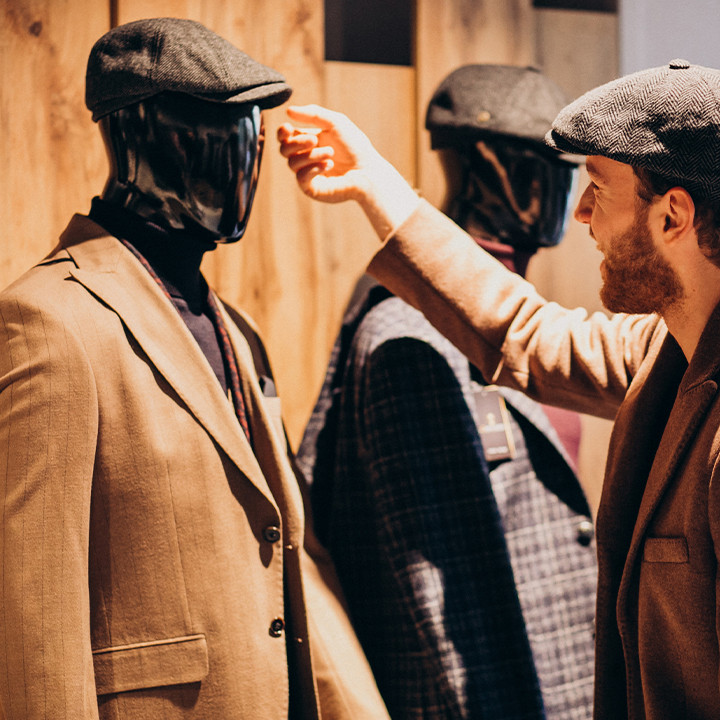
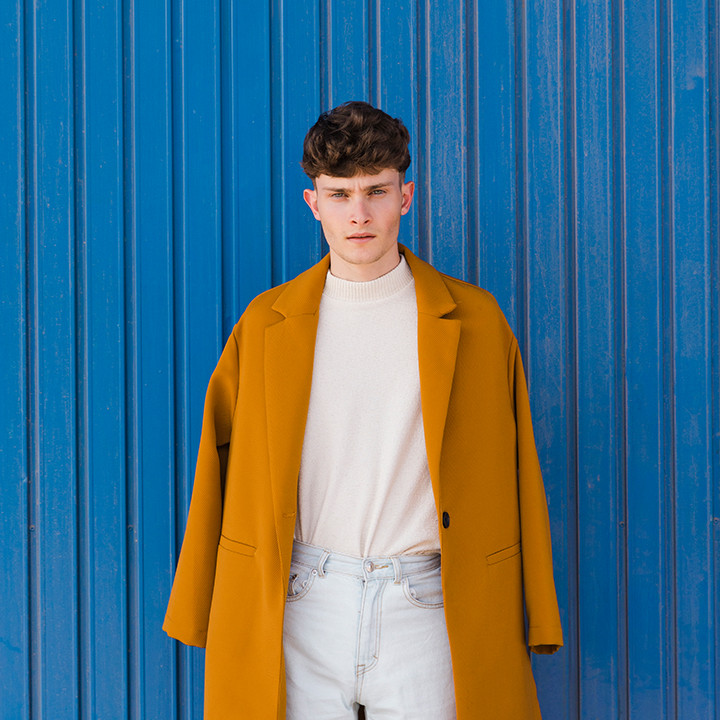
Autumn palettes are defined by warm, earthy hues that reflect nature’s transition. Shades such as burnt orange, deep browns, muted olive, and mustard create a grounded, sophisticated aesthetic. These colors work exceptionally well for layering pieces, structured tops, and casual trousers. Earthy tones evoke warmth, making outfits feel comfortable and intentional during cooler weather. Pairing multiple complementary autumn shades creates depth and richness without clashing. Incorporating seasonal textures with these colors enhances visual appeal and elevates overall style.
Winter: Dark and Sophisticated
Winter calls for deeper, more subdued tones that evoke elegance and refinement. Charcoal grays, navy blues, deep greens, and burgundy are staples during colder months. These colors create a polished, cohesive look for semi-formal gatherings, casual outings, and indoor events. Layering is essential in winter, and darker palettes allow for easy combinations that maintain a structured appearance. Neutral bases, paired with subtle pops of color, keep outfits balanced and sophisticated. Dark winter colors convey confidence and maturity while remaining versatile across different occasions.
Combining Seasonal Colors
Understanding how to combine seasonal shades is as important as choosing individual colors. Stick to two or three complementary tones per outfit to maintain balance and harmony. Neutral bases, such as gray, beige, or muted navy, work across all seasons and provide a foundation for seasonal highlights. Mixing textures, fabrics, and layers within the seasonal palette adds depth without overwhelming the outfit. Thoughtful combinations allow men to transition seamlessly between casual, smart-casual, and slightly refined looks.
Adapting Basics Across Seasons
Some wardrobe staples, such as well-fitted tops, structured trousers, or lightweight layering pieces, can work year-round. Adjusting their color according to the season enhances their versatility. For instance, a classic top in pastel blue suits spring, while the same piece in navy or charcoal works for winter. Similarly, layering pieces in earthy or vibrant tones can adapt basics to fit seasonal palettes. By rotating colors rather than entire garments, men can maintain style variety efficiently and cohesively.
The Psychology of Seasonal Colors
Seasonal colors also influence mood and perception. Light and bright colors in spring and summer evoke energy, freshness, and positivity. Warm, earthy tones in autumn create comfort, stability, and understated sophistication. Deep winter colors convey strength, confidence, and elegance. Aligning wardrobe choices with seasonal moods enhances both personal style and the impression made on others. Awareness of color psychology allows outfits to feel intentional and expressive without requiring complex styling.